What is a children’s hospice?

Story Care & therapy 22.06.2026

A children’s hospice supports children, teenagers and young adults with life-limiting illnesses – as well as their families. The support provided includes medical, nursing and psychosocial services.

The focus is not only on care, but above all on one thing: ensuring the best possible quality of life, providing relief in everyday life and creating time for the family to spend together.

Contrary to what many people think, a children’s and young people’s hospice is not just a place for end-of-life care, but for long-term support – often spanning many years.

What exactly does a children’s hospice involve?

A children’s hospice is a specialised facility for families whose child is suffering from a serious, incurable illness.

Support often begins as soon as the diagnosis is made and is tailored to the family’s individual needs. Stays are usually regular and planned – for example, to give the parents a break or to stabilise the situation at home.

As well as medical care, a children’s hospice provides space for things that are often neglected in everyday life:


What does a children's hospice do?

A children’s hospice brings together various support services under one roof:

Medical and nursing care

Qualified staff look after the needs of the sick children round the clock – providing personalised, professional and caring support.

Relief for parents

Caregiving can be very physically and emotionally draining. Stays at a children’s hospice provide a breathing space where parents can recharge their batteries.

Support for siblings

Siblings are also a key focus. They are recognised, supported and guided through their unique circumstances.

Psychosocial support

Counselling, advice and therapeutic support help families to cope with the illness and its effects.

Bereavement support

When a child dies, the support does not end. Families continue to be supported even after the death and are not left to cope on their own.

Who is a children’s hospice intended for?

A children’s hospice is aimed at families with children, teenagers or young adults up to the age of 27 whose illness is life-shortening. It does not matter how far the illness has progressed or how long the remaining life expectancy is estimated to be.

Many families make use of the services over a period of years – as an integral part of their daily lives and as a vital source of support.

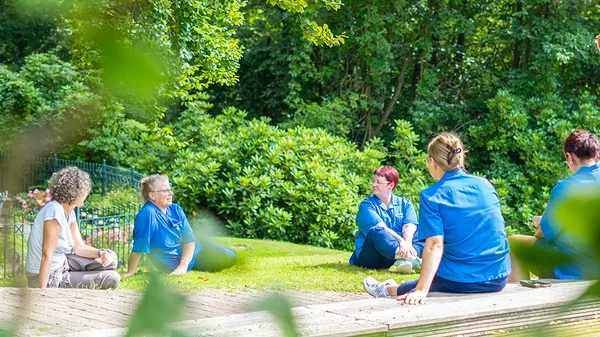
A group of people in blue shirts sit on grass in a sunny garden, surrounded by trees and greenery, engaging in conversation.

Together for families

At the Sternenbrücke Children’s Hospice, we create a place where families can find peace, recharge their batteries and enjoy precious time together. Find out more about us, our work and how we support families on their difficult journey.

Frequently askedquestions

Initial contact for families

Do you have any questions about admission to the Sternenbrücke children's hospice, or would you like to make an enquiry about a stay? Then please feel free to contact us.

Related articles

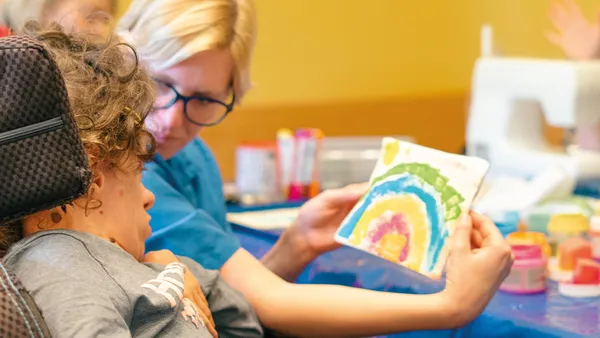
Ein Kind im Rollstuhl hält ein buntes Regenbogenbild in der Hand, während ein Erwachsener ihm dabei hilft; im Hintergrund sind Malutensilien zu sehen.
29.06.2026
Story Care & therapy

What is a stay at a children’s hospice like?

Find out how families settle in, organise their daily lives and find some respite whilst spending time together.
Eine ältere Person mit Brille umarmt ein Kind herzlich; sie sitzen im Freien im Sonnenlicht, nahe einer Backsteinmauer und grünem Blattwerk.
16.06.2026
Story Fundraising

How can I use my estate to do good?

What will remain of us once we are no longer here? For some, it is a comforting thought that the care they have shown will live on.
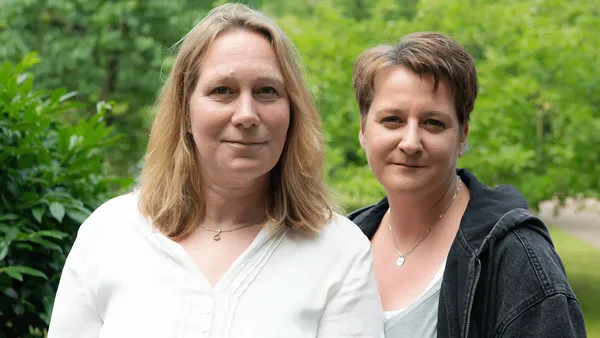
Zwei Frauen stehen im Freien, im Hintergrund ist Grün zu sehen. Die eine trägt ein weißes Hemd, die andere ein graues Oberteil mit einer dunklen Jacke.
24.03.2026
Story Team

Family Office: First Stop

Anne and Katja accompany families from the first contact to their stay at Sternenbrücke with empathy, appreciation, and always on equal terms.